1
Öffnen Sie „Neues Plugin hinzufügen“.
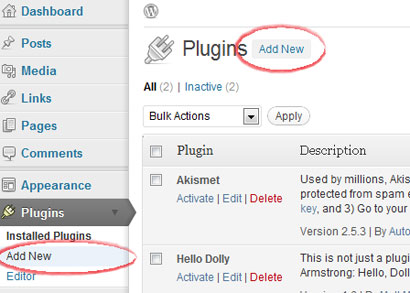
Melden Sie sich bei Ihrem WordPress-Administrator an, öffnen Sie Plugins und wählen Sie dann „Neu hinzufügen“.
CMS-Plugin
Selbstgehostete WordPress-Sites können das Hitsteps-Plugin des WordPress-Administrators verwenden. WordPress.com-Websites bieten nur begrenzte JavaScript-Unterstützung. Verwenden Sie die Widget-Methode daher nur, wenn Ihr Plan dies zulässt.
 Selbstgehostetes WordPress empfohlen
 Installationsanleitung
Melden Sie sich bei Ihrem WordPress-Administrator an, öffnen Sie Plugins und wählen Sie dann „Neu hinzufügen“.
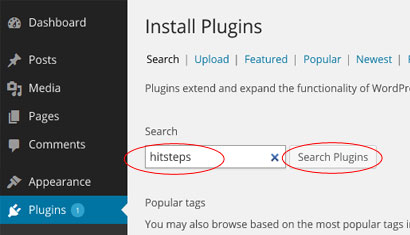
Suchen Sie im Plugin-Verzeichnis nach dem Hitsteps-Besuchermanager-Plugin.
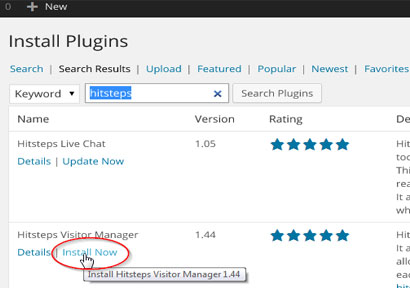
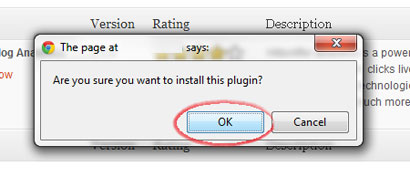
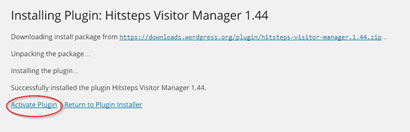
Klicken Sie auf „Jetzt installieren“, bestätigen Sie die Installation und aktivieren Sie dann das Plugin.
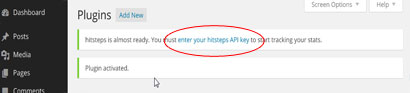
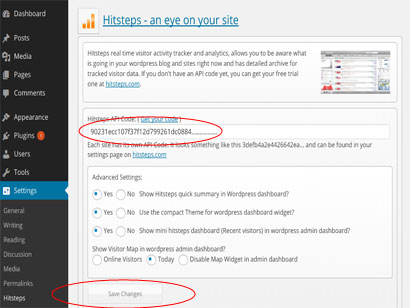
Öffnen Sie die Einstellungen des Hitsteps-Plugins, fügen Sie Ihren API-Schlüssel ein und speichern Sie.
Nachdem das Tracking gestartet wurde, kann WordPress eine kurze Zusammenfassung anzeigen und Sie mit dem vollständigen Hitsteps-Live-Dashboard verknüpfen.
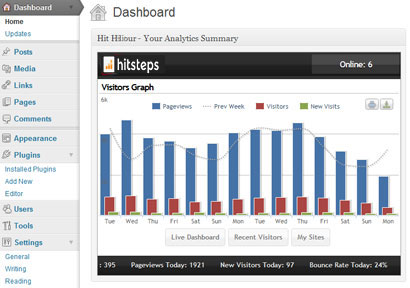
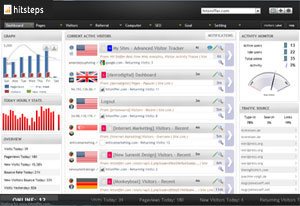
Nach der Installation
WordPress analytics workflows
Hitsteps brings the WordPress signals teams use for acquisition, conversion review, support, and reporting into one practical workflow.
Review clicks, impressions, CTR, average position, queries, and pages from your verified Google Search Console property.
Record WooCommerce order revenue and successful supported form submissions, then connect them to available visitor source and recent journey context.
Use goals, campaigns, funnel and conversion reports, exports, scheduled reports, and AI assistance to decide what to do next.
WordPress use cases
Start with the question your WordPress team needs to answer, then follow the visitor, source, conversion, or report context that supports the next decision.
Review UTM source and campaign attribution, order revenue, landing page, recent journey, and available visitor context around a purchase.
Measure successful supported form submissions and add available journey context so a sales or support team can understand what happened before the inquiry.
Compare Search Console queries and pages with live sources, top content, returning visitors, and page behavior.
Use multi-site access, PDF or CSV exports, scheduled reports, live paths, and AI-assisted summaries across client properties.