Recent term stream
Review the latest search terms supplied through supported referral or campaign data as tracked visits arrive.
Hitsteps shows recent search terms when a referrer or campaign supplies them, then connects those available terms with the landing page and tracked visitor activity that followed.
Recent keywords can reveal useful visitor language and landing-page context, but missing terms must remain unknown instead of being guessed.
Review the latest search terms supplied through supported referral or campaign data as tracked visits arrive.
Connect an available term to the landing page it opened and check whether that page addressed the apparent query.
Inspect the tracked pages and actions associated with the visit instead of stopping at the keyword itself.
Use it when you need live visitor context, practical installation routes, and action tools around the traffic you already have.
Hitsteps has kept evolving across website platforms, browser changes, analytics shifts, and store workflows.
WordPress, Shopify, Wix, Google Tag Manager, HTML, CMS, commerce, browser, and desktop setup paths are documented from one hub.
Live dashboard, visitor profiles, heatmaps, chat, Segments, uptime, reports, and alerts stay connected after tracking is installed.

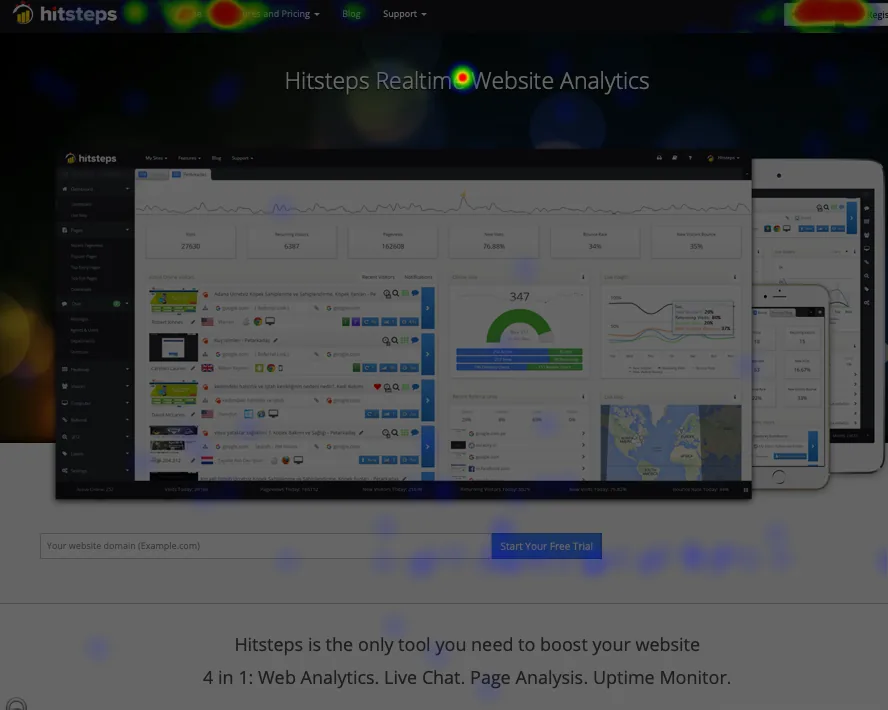

Modern search engines commonly protect organic searches by omitting the exact query from referral data. Hitsteps can report a term only when an available source signal or campaign parameter supplies it.
Choose a window around a content release, campaign, or site change so the available terms have useful context.
Treat missing query data as unavailable. Do not infer an exact phrase from the landing page or visitor behavior.
Check whether the page title, introduction, and next step align with the language used in the available search term.
Use tracked paths and goals to see whether the visit continued meaningfully after the search landing page.
Notice the words people use when supplied query data differs from internal product or category language.
Compare the available term with the first tracked page and identify a mismatch worth testing.
Review whether visits with known terms reached configured goals or other important tracked actions.
Clear answers about what this feature reports, how to use it, and where its limits are.
Major search engines frequently withhold organic query terms for privacy and security reasons. Browsers, apps, redirects, and consent choices can also limit the source data that reaches analytics.
No. Hitsteps reports available referral and campaign signals; it should not invent an exact query when the source did not provide one.
Use consistent campaign parameters for paid and owned links, connect available terms to landing pages and goals, and combine analytics with first-party search platform reporting where appropriate.
Connect this report with the surrounding visitor, acquisition, and workflow context.
Create a free account, install the Hitsteps tracking code, and confirm your first visit before choosing the plan that fits your traffic and reporting needs.